What is Stress ?
STRESS
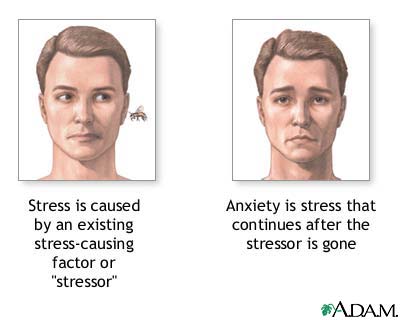
Stress is a feeling of emotional or physical tension. It can come from any event or thought that makes you feel frustrated, angry, or nervous.
Stress is your body's reaction to a challenge or demand.
.
In short bursts, stress can be positive, such as when it helps you avoid danger or meet a deadline. But when stress lasts for a long time, it may harm your health.
When you sense danger, the hypothalamusat the base of your brain reacts. It sends nerve and hormone signals to your adrenal glands, which release an abundance of hormones.
These hormones are nature’s way of preparing you to face danger and increase your chances of survival.
One of these hormones is adrenaline. You might also know it as epinephrine, or the fight-or-flight hormone. In rapid fashion, adrenaline works to:
- increase your heartbeat
- increase your breathing rate
- contract blood vessels so blood is directed to the muscles
- stimulate perspiration
- inhibit insulin production
While this is helpful in the moment, frequent adrenaline surges can lead to:
When you sense danger, the hypothalamusat the base of your brain reacts. It sends nerve and hormone signals to your adrenal glands, which release an abundance of hormones.
These hormones are nature’s way of preparing you to face danger and increase your chances of survival.
One of these hormones is adrenaline. You might also know it as epinephrine, or the fight-or-flight hormone. In rapid fashion, adrenaline works to:
- increase your heartbeat
- increase your breathing rate
- contract blood vessels so blood is directed to the muscles
- stimulate perspiration
- inhibit insulin production
While this is helpful in the moment, frequent adrenaline surges can lead to:
As the main stress hormone, cortisol plays an essential role in stressful situations. Among its functions are:
- raising the amount of glucose in your bloodstream
- helping the brain use glucose more effectively
- altering immune system response
- affecting parts of the brain that control fear, motivation, and mood
All this helps you deal more effectively with a high-stress situation. It’s a normal process and crucial to human survival.
But if your cortisol levels stay high for too long, it has a negative impact on your health. It can contribute to:
- weight gain
- high blood pressure
- sleep problems
- lack of energy
- memory problems
- a weakened immune system
It can also have a negative impact on your mood.
As the main stress hormone, cortisol plays an essential role in stressful situations. Among its functions are:
- raising the amount of glucose in your bloodstream
- helping the brain use glucose more effectively
- altering immune system response
- affecting parts of the brain that control fear, motivation, and mood
All this helps you deal more effectively with a high-stress situation. It’s a normal process and crucial to human survival.
But if your cortisol levels stay high for too long, it has a negative impact on your health. It can contribute to:
- weight gain
- high blood pressure
- sleep problems
- lack of energy
- memory problems
- a weakened immune system
It can also have a negative impact on your mood.


Super🔥🔥
ReplyDelete👏👏👏
ReplyDeleteWow
ReplyDeleteInformative content
ReplyDeleteGood
ReplyDeleteGreat work 👍
ReplyDelete